
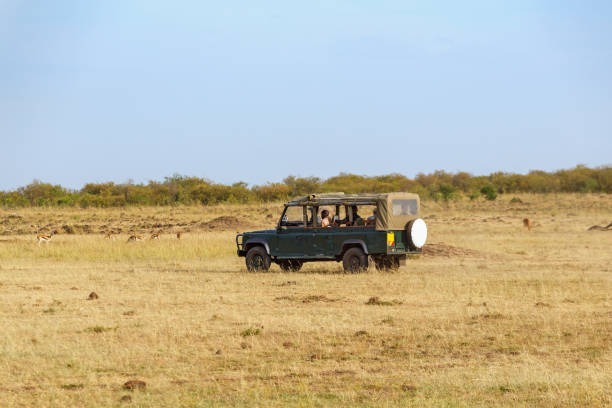
Africa is one of the few places where wildlife can still be experienced across vast natural landscapes rather than behind fences or in controlled environments. A safari can mean watching a pride of lions resting beneath an acacia tree, following elephants as they move between water sources, or sitting quietly beside a river while hippos and crocodiles remain close by. The experience changes dramatically from one country to another because Africa is home to grasslands, wetlands, forests, deserts, mountains, and enormous conservation areas.
For some travellers, the main attraction is the chance to witness the Great Migration. Others may want to track mountain gorillas through a rainforest, explore a desert landscape, experience a walking safari, or combine wildlife with beaches and cultural attractions. This variety is what makes planning an African safari so interesting. The right destination depends on the wildlife you want to see, the type of safari you prefer, the kind of landscape you want to experience, and the time of year you are visiting.
What Makes Africa a Great Safari Destination?
A safari in Africa is much more than simply looking for animals. It is an opportunity to understand how wildlife interacts with its natural surroundings, and how everything is kept in balance. In the savannah, a morning drive might reveal giraffes feeding from tall trees while zebras and wildebeest move across the plains. Near a river or wetland, elephants, hippos, buffalo, and water birds can create a completely different scene.
Africa also offers different ways to explore wildlife. Traditional game drives are popular, but travellers can also go on a walking safari, boat excursion, canoe trips, and primate trekking. In some destinations, the landscape itself becomes as important as the animals, from the volcanic mountains of Rwanda and Uganda to the desert scenery of Namibia.
Seasonal changes also influence a safari. Water levels, animal movements, vegetation, and migration patterns can all affect what visitors encounter. Researching these factors before your travels can help travellers choose a destination that matches their interests rather than simply following a standard itinerary.
Top 10 Safari Countries in Africa to Visit
Africa has a remarkable range of safari destinations, and each country offers a different combination of wildlife, scenery, conservation areas, and activities. The following destinations provide a useful starting point for travellers planning an African safari.
1. Tanzania

Tanzania is closely associated with some of Africa’s most famous wildlife experiences. The Serengeti National Park is known for its vast grasslands and the annual movement of millions of wildebeest, along with large numbers of zebras and other grazing animals. During migration periods, predators such as lions, cheetahs, and hyenas follow the herds, creating opportunities to observe the natural relationship between prey and predator.
The Ngorongoro Conservation Area offers another distinctive safari setting. The Ngorongoro Crater is a vast volcanic caldera containing grasslands, forests, lakes, and the highest concentration of wildlife on the continent. Travellers can also explore other parts of northern Tanzania, including Tarangire National Park, which is particularly known for elephants and its impressive baobab trees.
Tanzania works especially well for travellers who want to combine several different wildlife environments in one journey.
2. Kenya

Kenya has long been one of Africa’s best-known safari destinations, and its landscapes provide a classic introduction to East African wildlife. The Maasai Mara National Reserve is particularly famous for its open grasslands and large populations of lions, elephants, cheetahs, giraffes, and other species.
One of the major attractions is the seasonal movement of wildebeest and other grazing animals between Tanzania and Kenya. Depending on timing, visitors may witness dramatic river crossings or large herds moving across the plains.
Kenya also offers experiences beyond traditional game drives. Travellers can visit conservation areas, learn about local communities, and explore different ecosystems across the country. The combination of wildlife, culture, and varied landscapes makes Kenya suitable for travellers who want more than a single-park safari.
3. South Africa

South Africa offers a particularly varied safari experience because wildlife can be combined with cities, mountains, coastlines, and other attractions. Kruger National Park is the country’s most recognised safari destination and covers an enormous area with diverse habitats.
Visitors may encounter elephants, lions, leopards, rhinos, and buffalo, often referred to collectively as the Big Five. However, the park’s wildlife extends far beyond these five species, with giraffes, zebras, hippos, wild dogs, antelope, and hundreds of bird species also found across the region.
Another advantage is the variety of accommodation and safari styles available. Travellers can choose between private reserves, national parks, guided game drives, and more specialised wildlife experiences. A South African itinerary can also be combined with Cape Town, the Garden Route, or coastal destinations, making it possible to create a broader holiday rather than a safari-only trip.
4. Botswana

Botswana is particularly appealing to travellers looking for a wilderness-focused safari experience. Much of the country’s appeal comes from its relatively remote landscapes and exceptional wildlife areas.
The Okavango Delta is one of Botswana’s defining natural attractions. Instead of being a conventional dry savannah, the delta is a huge network of waterways, islands, floodplains, and channels. The changing water levels shape where animals gather and how visitors explore the region.
Depending on the location and season, travellers may see elephants, lions, hippos, buffalo, antelope, and many species of birds. A mokoro excursion, traditionally made in a narrow dugout canoe, provides a quiet way to move through parts of the delta and observe the wetland environment from the water.
Botswana is also known for Chobe National Park, where large elephant populations are one of the major attractions.
5. Namibia

Namibia provides a completely different perspective on an African safari. Instead of endless green plains, travellers encounter dramatic desert landscapes, rocky terrain, dry riverbeds, and enormous sand dunes.
Etosha National Park is one of Namibia’s most important wildlife destinations. Its waterholes attract animals during dry periods, creating useful viewing opportunities for visitors. Elephants, lions, giraffes, zebras, rhinos, and numerous antelope species can be found in the park.
The country’s landscapes are equally memorable. The Namib Desert and Sossusvlei are famous for towering red sand dunes and striking contrasts between sand, sky, and distant mountains.
Namibia is therefore particularly interesting for travellers who want wildlife combined with scenery that feels very different from the traditional image of an African safari.
6. Zambia

Zambia offers a more intimate style of safari, particularly for travellers interested in exploring wildlife on foot. South Luangwa National Park is one of the country’s best-known wildlife areas and is associated with walking safaris.
A walking safari changes the pace completely. Instead of travelling between sightings in a vehicle, visitors move quietly through the bush with trained guides, paying attention to animal tracks, sounds, plants, insects, and signs of recent wildlife activity.
South Luangwa is home to elephants, hippos, lions, leopards, giraffes, buffalo, and many other species. The Luangwa River also plays an important role in the ecosystem, attracting wildlife to its banks.
For travellers who want to understand the smaller details of the African bush rather than simply ticking animals off a list, Zambia provides a very different type of safari experience.
7. Zimbabwe

Zimbabwe combines wildlife, rivers, national parks, and some of southern Africa’s most recognisable natural attractions. Hwange National Park is the country’s largest national park and is particularly known for its elephants, while lions, buffalo, giraffes, zebras, and numerous other species can also be seen.
Mana Pools National Park offers another experience along the Zambezi River. Its floodplains, woodland, and seasonal water sources attract a wide variety of wildlife and create excellent opportunities for walking and canoe-based activities in suitable areas.
Zimbabwe is also home to Victoria Falls, one of Africa’s most famous natural landmarks. Travellers can therefore combine a wildlife itinerary with one of the continent’s major waterfall destinations. Those planning flights to Zimbabwe can build their itinerary around national parks, Victoria Falls, and other attractions depending on the length of their trip.
8. Uganda

Uganda offers a varied safari experience that combines traditional wildlife viewing with some of Africa’s most memorable primate encounters. Visitors can explore open savannahs, forests, rivers, and lakes while looking for a wide range of wildlife.
Queen Elizabeth National Park is known for elephants, lions, buffalo, hippos, and diverse birdlife, while Murchison Falls National Park combines game viewing with the Nile River and the spectacular Murchison Falls.
Uganda is also an important destination for chimpanzee and gorilla experiences. Kibale National Park is particularly famous for chimpanzee tracking, giving visitors the opportunity to observe chimpanzees moving, feeding, and communicating within their natural forest habitat. In southwestern Uganda, Bwindi Impenetrable National Park is renowned for mountain gorilla trekking, where visitors can follow trained guides through the forest to observe gorilla families in their natural surroundings.
The combination of chimpanzees, mountain gorillas, elephants, lions, forests, rivers, and savannah landscapes makes Uganda a destination where travellers can experience both classic African safari and unique primate encounters in the same country.
9. Rwanda

Rwanda is another major destination for travellers interested in primates, particularly mountain gorillas. Volcanoes National Park lies within the Virunga mountain range and is known for its gorilla trekking experiences.
Walking through the forest in search of gorillas is very different from a vehicle-based safari. The terrain can be challenging, and sightings are never simply a matter of driving to a predetermined location. Visitors travel with trained guides and trackers who help locate gorilla groups while following conservation and visitor guidelines.
Rwanda also offers more than gorilla trekking. Akagera National Park provides a traditional savannah-style wildlife experience with elephants, lions, buffalo, giraffes, zebras, hippos, and other species. Nyungwe Forest adds another dimension with its dense forest environment and primate diversity.
The country’s compact geography also makes it possible to combine different types of experiences within one trip.
10. Malawi

Malawi offers a combination of wildlife, freshwater landscapes, and a more relaxed travel atmosphere. Lake Malawi is one of the country’s defining natural features and provides a striking contrast to the country’s national parks and wildlife areas.
Liwonde National Park is known for elephants, hippos, crocodiles, and a growing range of wildlife, while Majete Wildlife Reserve has become an important conservation area for several large mammal species.
What makes Malawi interesting is the possibility of combining safari days with time around the lake. Travellers can move from wildlife viewing to peaceful lakeside activities without needing to choose between a nature-focused holiday and a relaxing break.
For visitors who want an African itinerary with wildlife as well as water, landscapes, and local experiences, Malawi offers several ways to build a varied trip.
Safari Countries at a Glance
| Country | Best Known For |
| Tanzania | Serengeti, Great Migration, Ngorongoro Crater |
| Kenya | Maasai Mara and classic savannah wildlife |
| South Africa | Big Five and Cape Town |
| Botswana | Okavango Delta and remote wilderness |
| Namibia | Desert scenery and Etosha wildlife |
| Zambia | Walking safaris and South Luangwa |
| Zimbabwe | Hwange, Mana Pools, and Victoria Falls |
| Uganda | Gorillas, chimpanzees, and traditional safari |
| Rwanda | Mountain gorillas and volcanic landscapes |
| Malawi | Lake Malawi and varied wildlife experiences |
Tips for Planning a Smooth African Safari
A little preparation can make a major difference to the overall safari experience. Before booking, consider the following:
- Choose the destination according to your main interest. A traveller interested in gorillas will need a different itinerary from someone hoping to see the Great Migration.
- Check the best travel season. Wildlife movements and weather conditions vary considerably between countries and even between individual parks.
- Research entry requirements early. Visa rules, passport requirements, health documentation, and permits can differ by destination.
- Book specialist activities in advance. Gorilla trekking and some other limited-capacity experiences require permits and careful planning.
- Pack for changing conditions. Early-morning game drives can be cool, while afternoons may be hot. Lightweight layers are often more practical than packing only summer clothing.
- Take suitable walking shoes. They are especially important for walking safaris and primate trekking.
- Protect yourself from the sun and insects. Sunscreen, a hat, insect repellent, and appropriate clothing can make long days outdoors more comfortable.
- Carry enough water. Staying hydrated is important during game drives, walking activities, and trekking.
- Follow your guide’s instructions. Wild animals should always be observed from a safe distance, and visitors should never attempt to attract or approach them.
- Respect local communities and conservation rules. Responsible tourism helps protect wildlife areas and supports the people living around them.
- Leave flexibility in your itinerary. Travel between remote parks can take longer than expected, so avoid planning every part of the trip too tightly.
Conclusion
Africa’s safari destinations are diverse enough that no single country provides exactly the same experience as another. Tanzania offers the Serengeti and the Great Migration, Kenya brings the classic Maasai Mara landscape, while Botswana and Zambia provide different approaches to wilderness exploration. Namibia adds dramatic desert scenery, South Africa combines wildlife with a wide range of other attractions, and Zimbabwe connects safari experiences with rivers and Victoria Falls. Uganda and Rwanda add another important dimension through chimpanzee and mountain gorilla experiences, while Malawi allows travellers to combine wildlife with the peaceful setting of Lake Malawi.
The most rewarding safari is often the one that matches your personal interests, available time, preferred activities, and desired landscapes. With thoughtful planning, an African safari can become much more than a wildlife-viewing trip, it can be an opportunity to experience some of the continent’s most remarkable ecosystems and natural environments firsthand.


