The Serengeti’s migrating herds and the Ngorongoro Crater might be what first draws you to Tanzania. Then you discover Nyerere’s boat safaris and Ruaha’s baobab country, and the south becomes just as tempting. Which belongs in your safari?
You can explore the northern parks, spend your days in the southern wilderness, or combine the two for contrasting experiences in one trip. The best fit depends on what you’re excited to see and do, how you like to travel, and how much time you have.
We’ll compare the wildlife, camp styles, seasons, journeys and costs to help you choose a northern, southern or combined safari that suits you.
Northern and Southern Tanzania at a Glance
The Northern Circuit brings together the Serengeti NP, the Ngorongoro Crater, Tarangire NP and Lake Manyara NP. In the south, this guide focuses on Nyerere NP and Ruaha NP. You can explore either region or combine selected parks from both; neither circuit is a fixed route you have to complete.

| What matters to you | Northern Tanzania | Southern Tanzania |
| Main draws | Great Migration, Ngorongoro Crater and Tarangire’s elephants and baobab trees | Nyerere’s boat safaris and Ruaha’s game drives and guided walks |
| Wildlife priorities | Seasonal migration viewing and a chance to look for black rhino in the Ngorongoro Crater | Hippos and crocodiles in Nyerere NP, with wild dogs possible; elephants, buffalo and predators in Ruaha |
| Visitor numbers | Popular places and sightings can be busy; location and timing matter | Generally fewer vehicles, though sightings aren’t necessarily private |
| Travel | Road routes from Arusha, with fly-in options; easily accessible | Mostly air access; flights can help make multi-park trips practical |
| Best suited to | First-time travelers drawn to the Serengeti, the Ngorongoro Crater and contrasting parks in one route | Travelers drawn to river outings, quieter settings and longer stays in one landscape |
When the Northern Circuit Is the Better Fit
You want the Serengeti and the Great Migration
Some experiences are worth building a whole trip around. If you’ve long wanted to see the Serengeti, start there. Its open plains and seasonal movement of wildebeest are a compelling reason to choose the northern circuit.
For calving-season viewing, look for a camp around Ndutu and the southern plains. Our 10-day calving-season itinerary shows how a stay in Ndutu can fit alongside Tarangire and Ngorongoro.
If Mara River crossings are your priority, choose a northern Serengeti base. Our 11-day Great Migration itinerary pairs Central Serengeti wildlife viewing with a stay in the north, showing how to give both areas time.
The Serengeti also rewards time away from the migrating herds. If resident wildlife is your priority, consider the central Seronera area, where river habitats and rocky outcrops offer varied settings for game drives throughout the entire year.
Popular sightings can attract plenty of vehicles, but the Serengeti offers quieter settings, too. Olmara Camp focuses on big-cat viewing in the remote eastern grasslands. Consider that setting if big cats and a quieter base matter more than being near the Mara River.
Once you’ve chosen your Serengeti focus, consider what you’d like the rest of your northern safari to add.
You want contrasting parks in one trip
Choose the Ngorongoro Crater for its dramatic setting and high wildlife density. Descending between the steep crater walls gives your wildlife viewing a different backdrop from the Serengeti, with the chance to look for black rhino.
Add Tarangire if elephants and baobab landscapes are high on your list. In the dry season, animals gathering around its river give you a reason to spend time watching wildlife there.
Lake Manyara adds groundwater forest and lakeside birdlife. Include it if that contrast appeals; if the Serengeti is your main priority, weigh the extra stop against another night there. Our guide to Tanzania’s safari parks helps you choose between them.
You want to include time with local communities
A northern route can make room for conversations and activities with Tanzania’s many tribes, alongside your wildlife days. Our cultural experiences include Maasai-led walks and beadwork with Maasai women.
At Lake Eyasi, you can spend time with the Hadzabe and Datoga communities, including a hunt with the Hadzabe bushmen and a visit to a Datoga metalworking workshop. If these encounters matter to you, give them a place in the route rather than squeezing them between long drives.
When Southern Tanzania Is the Better Fit
Southern Tanzania appeals to travelers who want fewer vehicles around and time to get to know a landscape. The next choice is between Nyerere NP’s river-centered safari days and Ruaha’s land-based wildlife viewing.
You want river outings alongside game drives
In Nyerere National Park, the Rufiji River and its network of channels and lakes give the landscape much of its character. A boat safari lets you watch hippos in the water, look for crocodiles along the banks and spend time with the birdlife.
A morning game drive might take you looking for elephants, giraffes or lions, with the possibility of African wild dogs too. Later, a boat outing shifts your attention to the riverbanks and the birds above the water.

Nomad’s Sand Rivers combines game drives, boat outings and guided walks, giving you different ways to explore from one base. Before booking, confirm that the activities you want are operating for your dates and included in your stay.
You may still see “Selous” in camp names or older guides. Nyerere NP was created from part of the Selous Game Reserve; the names don’t describe the same protected area.
You’re drawn to Ruaha’s wildlife and baobab landscapes
Choose Ruaha National Park if you would happily spend most outings on game drives through baobab country, rocky outcrops and woodland. Elephants, buffalo, lions and other predators are part of its appeal.
In the miombo woodland, look for greater kudu, sable and roan antelope. River edges and open country add variety for birdwatchers. Tell your guide if antelope or birds are a particular interest; those sightings can give a morning as much character as a lion sighting.
A guided walk can bring tracks, birds and plants into focus. If exploring on foot matters to you, make a walking safari part of your camp shortlist and confirm the arrangements for your dates. Walking is also available in northern parks such as Tarangire, so it needn’t decide the circuit on its own.

Choose Your Camp Style as Well as Your Circuit
Picture the hours between outings. Would you like a pool and a spacious room to return to, or would you be happiest hearing the bush through canvas as you settle in for the night? Both circuits offer different levels of comfort.
A tented camp can have comfortable beds and an en-suite bathroom; the word “tent” alone tells you little about the facilities.
If you want river views from a permanent riverside lodge, Nomad’s Sand Rivers in Nyerere NP has cottages with en-suite bathrooms. Its Hillside Suites add private plunge pools.
Some tented camps remain in one location; seasonal migration camps move. Nyuki Migration Camp uses two Serengeti locations to follow the herds. Its tents have en-suite bathrooms with flushing toilets and hot showers, so moving seasonally doesn’t mean giving up those comforts.
Ruaha offers a useful contrast within one park. Nomad’s Kigelia has six en-suite safari tents with bucket showers and private star beds, and may appeal if you’re drawn to a simpler canvas stay and a night under the stars. Laba Laba Jongomero Camp is one of the most secluded camps in Ruaha National Park and offers fantastic service, exceptional cuisine, and excellent guiding. Situated on the bank of the Jongomero River, the viewpoint allows you to observe elephants, kudus, baboons, and other bush animals in their natural environment.
How Your Travel Dates Affect the Choice
Use your travel month to compare the experiences and conditions in each region.
| Travel window | Northern Tanzania | Southern Tanzania |
| Jan–Mar | Calving-season viewing around Ndutu and the southern plains of the Serengeti, usually peaking in February. | Nyerere NP can appeal in January–February for greener scenery and birdlife. Wildlife may be more dispersed than in the dry season. It is hot. |
| Apr–May | Expect heavier rains; allow flexibility for road journeys and wildlife outings. | Some camps close seasonally. Confirm operating dates and activities before settling on a route. |
| Jun–Oct | Dry-season safari planning. For Mara River crossings, usually focus on the northern Serengeti between July–October. | Dry-season wildlife viewing in Nyerere and Ruaha, with animals gathering around remaining water. Best time to visit the south. |
| Nov–Dec | Short rains bring changing seasonal conditions. | Showers and fresh growth mark the transition toward greener scenery and changing wildlife concentrations. |
Migration timing follows weather conditions, and a river crossing is never guaranteed. Choose a stay you’ll enjoy beyond that one hoped-for sighting.
Compare the Journey and the Whole Safari Cost
Start with your arrival point and safari nights
Many northern itineraries begin around Arusha after arrival at Kilimanjaro International Airport. You can travel between parks by road, use light aircraft, or combine the two. Driving into the Serengeti and flying onward can reduce backtracking, depending on the route.
Southern safaris often connect through Dar es Salaam or the coast. Nyerere NP has road access from Dar es Salaam, and Ruaha can be reached by road from Iringa (although we recommend flying in both instances). Flying can make a combination of the southern parks more practical when your time is limited.
Before fixing the nights, compare each camp-to-camp transfer, including driving, airstrip transfers and flight connections. Scheduled flights may stop at other airstrips, so a flight time alone doesn’t describe the whole journey.
For seven safari nights, an illustrative northern route is two in Tarangire, two near Ngorongoro and three in the Serengeti. It favors variety, with time for Tarangire’s elephants, a crater visit and several Serengeti game drives.
A southern circuit alternative is three nights in Nyerere and four in Ruaha. That gives you longer stays in two parks, pairing river outings in Nyerere NP and walking safaris in Ruaha.
These are starting points, with an arrival night and beach time counted separately. A safari night isn’t a full wildlife day: transfers can reduce the time available for dedicated outings.
With only three or four safari nights, keep the route focused. Nyerere is worth considering from a coastal starting point; from Arusha, a compact northern route may fit more naturally.
Think about the rhythm of your days
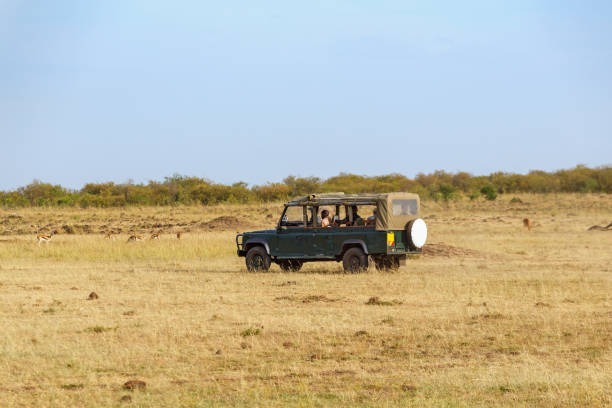
Most Northern Circuit safaris are private overland journeys. You travel from park to park with your own guide and vehicle, usually a closed-sided 4×4 with a pop-up roof for wildlife viewing.
Having the same guide throughout lets you get to know each other and shape the days around your interests. You can also add cultural experiences to the journey between parks.
Southern Circuit safaris are mostly camp-based, with travel between parks primarily by air. At each camp, you usually join its guides for scheduled game drives in open-sided vehicles, shared with other guests.
Several nights at one base let you unpack once and return to familiar faces after each outing, while sharing the day’s pace with your fellow guests.
These are typical arrangements, not fixed rules. Northern fly-in stays can follow a similar camp-based pattern, and some southern camps offer private vehicles by prior arrangement.
Compare equivalent trips before choosing on price
Neither region is automatically the cheaper choice. Compare the same dates, number of safari nights, party size, and accommodation level.
A northern road route can avoid some internal flights; combining Nyerere and Ruaha by air adds flights to the budget. The camps you choose can still outweigh that transport difference.
Then look at what each total includes:
- Accommodation and meals, including any nights needed between travel connections.
- Flights, airport transfers and journeys between camps.
- Guiding and whether your safari vehicle is private or shared.
- Park fees and the activities you want to do.
Our Tanzania safari cost guide explains the main components in more detail.
Which Circuit Works Better for a Family Safari?
Neither circuit is automatically better for a family safari. Start with your children’s ages, interests, and the pace they enjoy. The northern parks can suit a family excited about the Serengeti and Ngorongoro, as well as cultural experiences; while Nyerere may appeal to children who would enjoy boat outings as well as game drives.
The individual camp matters. Nomad’s Sand Rivers in Nyerere NP lists a minimum age of eight years. That is an accommodation policy, not permission for children to join every activity. Walking safaris can have separate restrictions.
For younger children, a private vehicle can give you more freedom to shorten an outing or pause when they need a break.
Sababu’s family safaris offer private arrangements with flexible game-drive timing; confirm what’s included for any fly-in camp stay.
If you want to sleep under one roof, prioritize a family room and check the layout before booking. Separate tents may suit older children, but won’t suit every family. Leave room in each day for lunch and rest as well as wildlife outings.
Can You Combine Both Circuits or Add Zanzibar?
Combining the North and South
A Serengeti stay followed by Nyerere NP combines open-plains wildlife with time on the river. For example, four nights in each park gives both experiences room in an eight-night safari. Arrival, connection, and beach nights are additional where needed; the actual flights and seasonal camp locations determine whether it works.
If you have only seven safari nights and are drawn mainly to the migration and crater, we’d favor a northern route over adding Nyerere simply to visit both regions. Getting from the north to the south is a bit cumbersome; it can take an entire day. If boats are a highlight in their own right, the combination has a clearer purpose.
Adding Zanzibar
Zanzibar can follow either circuit, giving you time to unwind by the sea after early safari mornings. Sababu’s 10 Day Safari & Zanzibar itinerary shows one way to pair a northern safari with a beach stay.
For either region, plan the safari-to-coast connection alongside your camp choices, especially if a particular beach arrival date matters.
Choosing Your Tanzania Safari
If the Serengeti and Ngorongoro are what brought you to Tanzania, build your trip around the north.
If days on the Rufiji River or time exploring the remote Ruaha NP appeal more, start in the south. Combine them when the contrast is worth the extra journey, while leaving enough nights to enjoy each stay.
Share your dates, who’s coming, and what you’d love to experience. We can help you choose the parks and pace that suit you. Talk to Sababu about your safari.